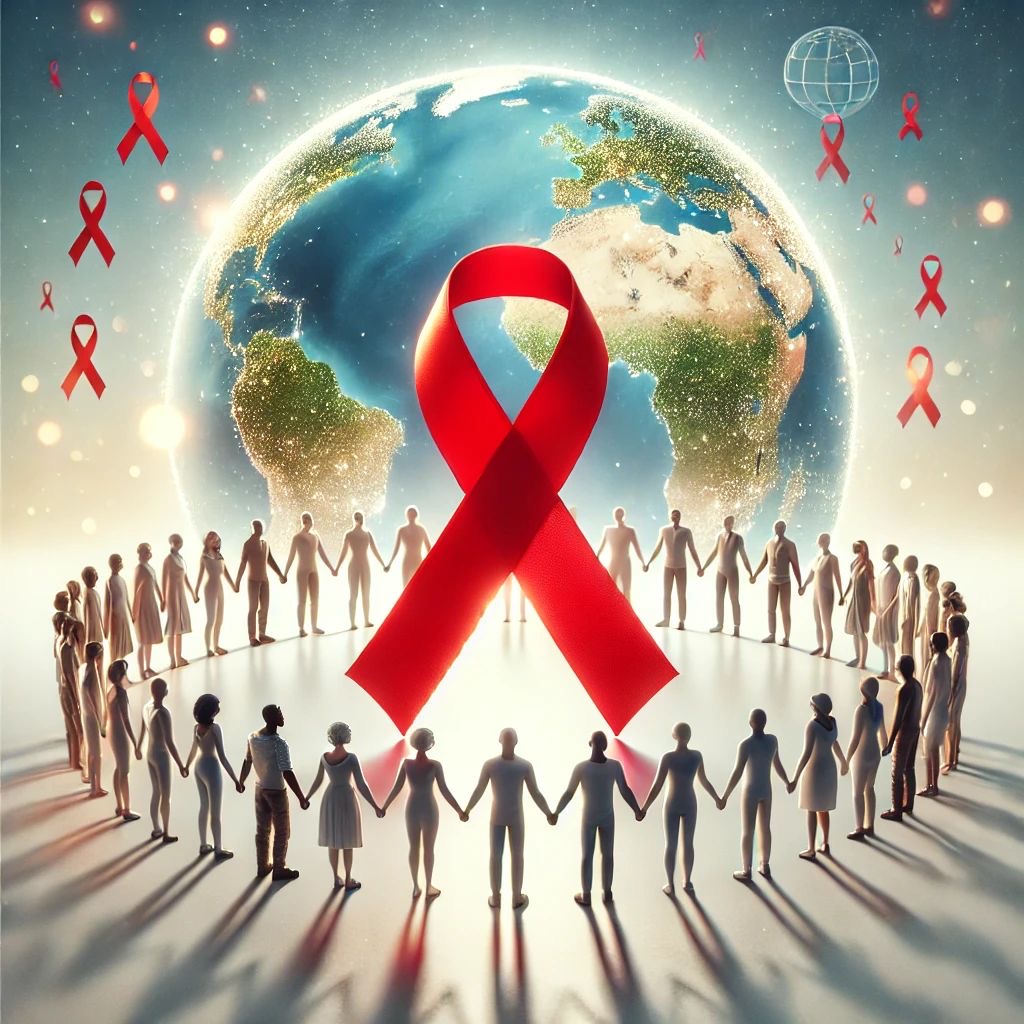
When many people think about HIV or AIDS, they imagine a younger population. But today, adults age 50 and older make up a significant and growing portion of people living with HIV. People are living longer thanks to effective treatment, and new infections continue to occur across older age groups. Yet despite this reality, HIV in seniors is rarely talked about—often due to lingering stigma and fear that began in the early years of the epidemic.
It’s time to bring this conversation into the open.
The Weight of Stigma
Older adults came of age during a time when HIV was surrounded by misinformation and intense fear. For many, these early messages still shape beliefs today.
Stigma can look like:
- Avoiding sexual health conversations
- Feeling embarrassed to ask about HIV testing
- Fear of judgment from family or providers
- Believing “HIV doesn’t happen at my age”
This silence can delay diagnosis and keep people from getting the support they need.
Understanding the Fear
For aging adults, fear often stems from:
- Concerns about how a diagnosis will affect their health
- Anxiety about telling loved ones
- Worries about stigma within senior communities
- Confusion about navigating treatment alongside other medical conditions
These fears are natural—but today’s HIV treatment is extremely effective. With proper care, people can live longer, healthier lives.
Modern medications can suppress the virus to undetectable levels, and when HIV is undetectable, it cannot be transmitted (U=U).
Why Testing Matters at Every Age
Intimacy doesn’t end at 50, 60, or even 80. New relationships, dating after divorce or widowhood, and online dating apps all play a role in continued sexual activity later in life.
But many seniors are not routinely tested for HIV, even when risk factors are present.
Testing is important because:
- Early diagnosis makes treatment more effective
- Symptoms of HIV can be mistaken for normal aging
- Many older adults are diagnosed late, making treatment more complex
- Knowing your status helps protect yourself and your partners
There is no age limit on safeguarding your health.
Key Statistics
While data varies, research consistently shows:
- Older adults account for a large share of people living with HIV in the U.S.
- New diagnoses continue to occur in populations 50+
- Later diagnoses are more common among seniors
- Older adults with HIV have higher rates of chronic conditions like heart disease and osteoporosis—making early detection even more important
These trends highlight the need for awareness, testing, and stigma-free conversations.
Support & Resources for Older Adults
There are strong support systems available for seniors living with HIV, including:
- Local Public Health Departments — testing, case management, education
- HIV/AIDS Service Organizations — support groups, financial assistance, counseling
- Area Agencies on Aging (AAA) — connecting seniors to local services
- Ryan White HIV/AIDS Program — medical care for those with limited income
- National Resources:gov, CDC HIV Basics, SAGE, NCOA
Help is available—and no one needs to navigate this alone.
A Call to Reduce Stigma
Every conversation we have helps build a safer, more supportive environment for seniors. Understanding HIV as a medical condition—not a moral issue—empowers older adults to seek care with confidence.
Testing, treatment, and support are for everyone, at every age.
-
Previous Post
November is Pancreatic Cancer Awareness Month
-
Next Post
The Season For Reflection
Related Posts
March 9, 2026
Understanding Multiple Sclerosis and How We Can Support One Another
March is MS Awareness Month, a time to spotlight a condition that affects nearly 1…
January 6, 2026
January is Cervical Cancer Awareness Month
Each January, we take time to raise awareness about cervical cancer, an illness that is…