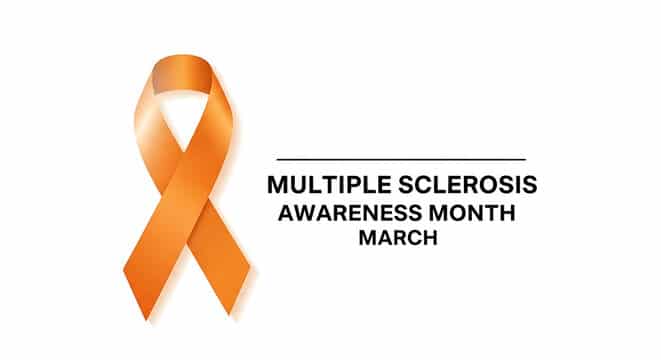
March is MS Awareness Month, a time to spotlight a condition that affects nearly 1 million people in the U.S. and millions more worldwide. Multi
ple sclerosis (MS) is a chronic disease of the central nervous system that disrupts communication between the brain and the body. It can look different from person to person, which is one reason it’s often misunderstood.
What MS can look like
MS symptoms vary widely and may come and go. Some people experience fatigue, numbness or tingling, vision changes, muscle weakness, balance issues, brain fog, or pain. Others may have periods of relapse followed by remission, while some experience more steady progression. Because symptoms can be invisible, many people with MS are navigating challenges that others may not see.
Why awareness matters
Awareness isn’t just about learning what MS is—it’s about creating a community that’s more informed, patient, and supportive. People living with MS often manage appointments, medications, energy limitations, and lifestyle adjustments, all while continuing to show up for work, family, an
d life. A little understanding goes a long way.
Practical ways to support someone with MS
You don’t need the perfect words. Small, consistent actions matter most:
- Believe people when they describe symptoms—especially fatigue and pain.
- Offer specific help (“Can I bring dinner Tuesday?” beats “Let me know if you need anything.”)
- Be flexible with plans; energy levels can change quickly.
- Educate yourself and share reputable resources during MS Awareness Month.
- Advocate for accessibility—at work, in schools, and in your community.
A March reminder
MS Awareness Month is a chance to pause and ask: How can I be part of a world that makes living with MS easier?Sometimes that’s donating, sometimes that’s learning, and sometimes it’s simply showing up for someone you love.
Related Posts

July 6, 2026
Brain Health, Veterans, and the Importance of Planning Before a Crisis
I have been trying to find the right words for Brain Health and Brain Awareness…
June 1, 2026
Not All Wounds Are Visible: PTSD Awareness Month and the Emotional Side of Aging
June is PTSD Awareness Month, a time to bring attention to the impact of trauma,…